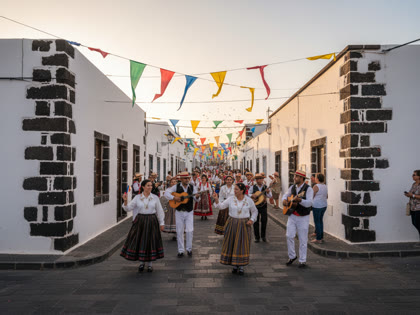
The island has everything you need — but knowing where to shop saves you serious money and time. This is where locals actually go, what things really cost, what souvenirs are worth the baggage weight, and which ones are best left on the shelf. No tourist-office fluff, no sponsored placements.
Lanzarote isn't a big island, but it has a surprisingly good shopping scene. There are five main supermarket chains, dozens of local markets, three proper shopping centres, and a growing number of independent shops selling local wine, food and crafts. The problem isn't finding things to buy — it's knowing where locals shop versus where tourists get overcharged.
After 20 years here, I've learned the difference. HiperDino is everywhere and decent. Mercadona has the best quality-to-price ratio. The Sunday market in Teguise is the biggest on the island but not the best for bargains. Sunscreen costs double what it does in your home country. And half the "volcanic stone" souvenirs are concrete with a lick of black paint.
Here's the full guide — supermarkets, markets, real prices, what to take home, and what to leave behind.
Lanzarote has five main supermarket chains. Each has its own character, price point and location pattern. Here's what you need to know.
HiperDino is the most visible supermarket on the island. You'll find them in every resort town, most villages and along the main roads. The full-size stores are well-stocked with a good range of fresh produce, meat, fish, Canarian products and household goods. They also run HiperDino Express — smaller convenience stores that stay open longer but charge about 15–20% more per item. Fine for a bottle of water or emergency suncream; not for your weekly shop.
Mercadona is a Spanish mainland favourite that opened in Lanzarote relatively recently. There are two main stores: one in Arrecife and one in Playa Blanca. The quality of fresh produce, meat and their own-brand Hacendado range is consistently excellent. Prices are lower than HiperDino on most staples. The fish counter is good and the bread (baked in-store) beats the pre-packaged stuff you find elsewhere.
Spar has several small-to-medium stores across the island, mainly in tourist areas. They're convenient and open long hours, but prices are noticeably higher than HiperDino and Mercadona. Good for top-up shops when you can't be bothered to drive anywhere, but don't do your main weekly shop here.
There are Lidl stores in Arrecife and Playa Honda. They're the cheapest option for basics — milk, bread, beer, water, cleaning products, and their own-brand Deluxe range is surprisingly good. The fresh produce selection is limited compared to Mercadona, and the fish counter is hit and miss. Come for staples, go elsewhere for fresh food.
Aldi has a store in Playa Honda, near the airport. Like Lidl, it's cheapest for basics and packaged goods. The fresh produce is limited but cheap. Worth a stop if you're passing — not worth a special trip unless you're staying nearby. Their weekly special offers ( Thursdays ) sometimes include decent kitchen gadgets, beach gear and clothing.
Here's a real comparison of everyday items across the five chains. Prices are approximate, collected in 2026 — they fluctuate, but the relative differences stay consistent.
| Item | HiperDino | Mercadona | Spar | Lidl | Aldi |
|---|---|---|---|---|---|
| 1L milk semi-skimmed | €0.95 | €0.85 | €1.05 | €0.75 | €0.72 |
| 1L water brand name | €0.65 | €0.55 | €0.75 | €0.45 | €0.40 |
| 1L olive oil own-brand | €7.50 | €6.90 | €8.20 | €6.50 | €6.30 |
| 1 loaf bread sliced | €1.20 | €0.95 | €1.35 | €0.85 | €0.80 |
| 6-pack beer Tropical or own-brand | €3.20 | €2.90 | €3.60 | €2.50 | €2.40 |
| 1 bottle wine basic table white | €2.50 | €2.20 | €3.00 | €1.95 | €1.90 |
| 1 dozen eggs free-range | €2.10 | €1.85 | €2.30 | €1.70 | €1.65 |
| 1kg bananas | €1.40 | €1.20 | €1.55 | €1.10 | €1.05 |
| 1kg chicken breast | €6.50 | €5.90 | €7.20 | €5.50 | €5.40 |
| 1kg fresh fish cherne or sama | €12.00 | €11.00 | €13.50 | — | — |
Lanzarote's markets are where you find the real island — local produce, crafts, cheese, wine, and the chaos of a Spanish market morning. Get there early. By midday the best stuff is gone and the sun is brutal.
The biggest market on the island and one of the oldest in the Canary Islands. The entire historic centre of La Villa de Teguise turns into a sprawling street market with hundreds of stalls — crafts, leather, jewellery, cheese, wine, clothing, and plenty of tourist tat. It's busy, loud and a bit overwhelming, but it's a Lanzarote institution. Go before 10:00 if you want to park and actually browse.
Despite the confusing name, this is Arrecife's central municipal market. It's charming, small and genuinely local — fishmongers, butchers, fruit and veg, a few craft stalls. Not touristy at all. The fish stalls sell whatever was landed that morning. A great place to buy fresh fish if you're self-catering, or just to soak up the atmosphere with a coffee at the bar inside.
The Saturday artisan market in Haría, in the green valley of the north. Much smaller than Teguise but higher quality — local craftspeople, potters, jewellers, weavers, honey producers, aloe vera products. This is where you find the real handmade stuff, not mass-produced souvenirs. Haría itself is beautiful — worth a morning trip even if you don't buy anything.
A craft and souvenir market at Marina Rubicón in Playa Blanca. More tourist-oriented than Teguise or Haría, with jewellery, leather goods, clothing, and artwork. Pleasant setting by the marina, easy to combine with lunch. Not the place for bargains, but a nice way to spend a morning if you're in Playa Blanca.
A smaller market near Tinajo, in the centre of the island. Less touristy than Teguise and with a more local feel. Good for Canarian cheese, gofio, mojo sauces and local produce. Worth combining with a visit to the nearby church of Los Dolores, the island's patron saint.
Prices in Lanzarote are generally lower than mainland Spain and much lower than the UK or northern Europe — but there are surprises. Local products (wine, cheese, fish) are excellent value. Imported goods cost more. Here's a real price guide for everyday items, based on 2026 prices in the main supermarkets.
| Item | Typical price | Notes |
|---|---|---|
| 1L bottled water 5L jugs available | €0.40–0.75 | Tap water is technically safe but desalinated and not pleasant. Everyone drinks bottled. |
| 1L beer Tropical, 6-pack | €2.40–3.60 | Local Canarian beer. Lidl and Aldi own-brand is cheaper still. |
| 1 bottle Lanzarote wine Malvasía white | €5–12 | DO Lanzarote wines. Supermarket prices; bodega cellar-door is similar or slightly more. |
| 1 loaf bread pan de pueblo | €0.90–1.50 | The round country loaf from a proper bakery is best. Supermarket sliced bread is cheaper. |
| 1kg fresh fish cherne, sama, vieja | €10–14 | Depends on catch and season. Far cheaper than a restaurant and far better quality. |
| 1kg local cheese queso fresco | €6–9 | Canarian fresh cheese — mild, slightly salty. The cured (curado) version is stronger. |
| 1kg bananas Canarian, not imported | €1.05–1.55 | Canarian bananas are smaller, sweeter and better than the imported ones. Always buy local. |
| 1kg tomatoes | €1.50–2.50 | More expensive in tourist-area shops. Mercadona is cheapest. |
| 1kg mojo sauce red or green, jar | €2.50–4.00 | Supermarket jars are fine; the fresh stuff from markets is better. |
| 1 gofio bag 1kg, toasted grain | €2.50–4.00 | The base ingredient of Canarian cuisine. Try the millo (corn) version. |
| 1 jar aloe vera gel pure, local | €6–12 | Buy from markets or Haría, not tourist shops. Check the aloe content — 99%+ is best. |
| 1 bag sea salt Salinas de Janubio | €3–6 | From the salt flats at Janubio. Genuinely local, genuinely good. Food-grade. |
These are the things genuinely worth taking home — products that are local, well-made and reasonably priced. You won't find these cheaper or better anywhere else.
Lanzarote's wine is the best souvenir you can take home. The volcanic soil and unique growing conditions (vines planted in pits dug into the black lapilli) produce wines you can't replicate anywhere. Malvasía volcánica whites are the signature — dry, mineral, slightly saline. The young reds are also excellent. Top bodegas: El Grifo (oldest, museum on site), Los Bermejos, Stratvs, Rubicón, Vega de Yuco.
The base of Canarian cuisine for centuries. Toasted wheat or corn, ground to a fine flour, used in everything from bread to stews to desserts. Nutty, wholesome and impossible to find outside the Canary Islands. Try the millo (corn) version — sweeter and more versatile. Mix it with milk, honey, or use it as a thickener in soups.
The two sauces that define Canarian food. Mojo rojo is spicy red (paprika, garlic, chili, vinegar). Mojo verde is green and milder (coriander, parsley, garlic). Both are served with everything — potatoes, fish, bread. Supermarket jars are decent; the fresh stuff from markets is better. If you're flying home, jar it and wrap it well.
Lanzarote has ideal growing conditions for aloe vera, and local producers make high-quality gels, creams and soaps. Buy from the Haría market or dedicated aloe shops — check the aloe content (99%+ for pure gel). Avoid the cheap tourist-shop versions that are mostly water and fragrance.
Hand-harvested salt from the traditional salt flats at Janubio, on the southwest coast. The flats themselves are worth a visit — geometric pools of evaporating seawater against the black volcanic landscape. The salt is food-grade, flaky and mineral-rich. A genuinely local product at a fair price.
Canarian pottery is rustic, earthy and beautiful. Look for pieces from local potters at the Haría market or specialist craft shops. The traditional designs are simple — bowls, plates, jugs in earthy tones. Each piece is unique. Wrap carefully for the flight home.
Not everything sold as a "local souvenir" is what it claims to be. Here's what to leave on the shelf.
Half the black, rough-textured "volcanic stone" souvenirs in tourist shops are concrete with a bit of black paint. Real volcanic rock (lapilli, basalt) is freely available all over the island — you're literally walking on it. Don't pay €8 for a lump of painted concrete. If you want a real piece of Lanzarote, pick up a small piece of basalt from a path (not from a protected area like Timanfaya).
The fridge magnets, keyrings and "Lanzarote" shot glasses in every resort shop are made in China and have nothing to do with the island. They're cheap, they're tacky, and they're the same in every tourist destination in the world. If you want a keepsake, buy something actually made here.
Aloe vera is a genuine Lanzarote product — but the cheap bottles in tourist shops are often diluted with water and fragrance. Check the label: pure aloe gel should be 99%+ aloe barbadensis. If it says "aloe vera fragrance" or lists aloe as the 15th ingredient, it's not the real thing. Buy from Haría market or a proper aloe shop.
Teguise market has stalls selling "designer" bags, sunglasses and watches at suspiciously low prices. They're fakes. Don't buy them — customs can confiscate them, and the quality is terrible. Stick to genuine local crafts and food products.
Lanzarote has three proper shopping centres. None is a mega-mall, but they're useful for clothes, electronics, gifts and a meal when the weather's not great.
The biggest shopping centre in Lanzarote, right in the centre of Puerto del Carmen. Three floors of shops including Zara, Pull&Bear, Sprinter (sportswear), a supermarket (HiperDino), and plenty of cafes and restaurants. There's a rooftop terrace with sea views and a small kids' play area. Open Monday–Saturday 10:00–22:00, Sundays in peak season. The go-to if you need clothes, shoes or gifts in Puerto del Carmen.
An open-air shopping and dining complex on the marina in Arrecife. Smaller than Biosfera but more pleasant — sea views, good restaurants (including Lilium, see the restaurants guide), and shops including a few boutiques. Great for an evening stroll and dinner. Open daily 10:00–23:00 (restaurants later). Parking is free in the marina car park.
A smaller centre in Playa Honda, close to the airport. Has a supermarket (Mercadona), some clothing shops, a pharmacy and a few restaurants. Handy if you're staying in Playa Honda or Costa Teguise, or for a last-minute shop on the way to the airport. Not worth a special trip otherwise.
This is the one area where Lanzarote will catch you out. Pharmacy and personal care items are significantly more expensive than in the UK, Germany or mainland Spain — partly because everything is imported, partly because the islands have a smaller market with less competition.
| Item | Lanzarote price | Typical UK/EU price |
|---|---|---|
| SPF 30 sunscreen 200ml, brand name | €18–25 | €8–14 |
| SPF 50 sunscreen 200ml, brand name | €22–30 | €10–16 |
| After-sun lotion 200ml | €12–18 | €6–10 |
| Paracetamol 20 tablets | €2.50–4.00 | €0.50–1.50 |
| Ibuprofen 20 tablets | €2.50–4.00 | €0.50–1.50 |
| Insect repellent spray | €8–12 | €4–7 |
| Toothpaste brand name | €3.50–5.00 | €2.00–3.50 |
| Shampoo standard brand | €4.50–7.00 | €2.50–4.50 |
Pharmacies (farmacias) are everywhere — every town has at least one, and they're marked with a green cross. They stock a wider range than supermarkets, including prescription medicines, but prices are higher. In Arrecife, there's a 24-hour pharmacy rota — any pharmacy will have the current night-duty pharmacy posted on its door.
Aldi and Lidl are consistently the cheapest for basics like milk, bread, beer, water and household goods. HiperDino Express convenience stores are the most expensive per item — fine for emergencies, not for a weekly shop. Mercadona sits in the middle on price but offers the best quality-to-price ratio of the full-size supermarkets.
The best place is a bodega in La Geria — El Grifo, Los Bermejos, Stratvs and Rubicón all have cellar-door shops where you can taste before buying. In towns, Lidl and Mercadona stock a decent range of Lanzarote DO wines including Malvasía whites. For a wider selection, Vinófilos in Arrecife is the island's best specialist wine shop.
The best souvenirs are local wine (Malvasía whites and young reds), gofio (toasted grain flour), mojo sauce, aloe vera products, sea salt from Salinas de Janubio, and handmade ceramics. Avoid fake volcanic rocks, mass-produced trinkets and anything claiming to be volcanic stone that is actually concrete.
If you're looking for gift ideas beyond Lanzarote souvenirs — for a birthday, anniversary, or special occasion back home — check out GiftSensei, a free AI gift finder with curated guides for every recipient: gifts for mom, gifts for dad, gifts for teens, plus guides for grandparents, frequent travelers, new moms, campers, and fishermen — many more categories too. Useful if you forgot someone's birthday while on holiday.
Most supermarkets close on Sundays, though some HiperDino Express convenience stores in tourist areas open limited hours. The Teguise Sunday market is the big exception and worth visiting. Shopping centres like Biosfera and Marina Lanzarote generally open on Sundays, especially in peak season, but check ahead — hours vary.
Lanzarote is in the Canary Islands, a special tax zone outside the EU VAT territory but within the EU customs union. Travellers flying to the EU mainland can take 10 litres of spirits, 20 litres of fortified wine, 90 litres of wine and 110 litres of beer duty-free. For the UK, the standard UK customs allowance applies: 4 litres of spirits or 18 litres of still wine, plus 16 litres of beer. Tobacco limits also apply. Check current rules before you travel as these can change.