When to go to Lanzarote

There's no bad month — but there are better months depending on what you want. Weather, crowds, prices, events, and the stuff nobody tells you about.

Best months to visit Lanzarote

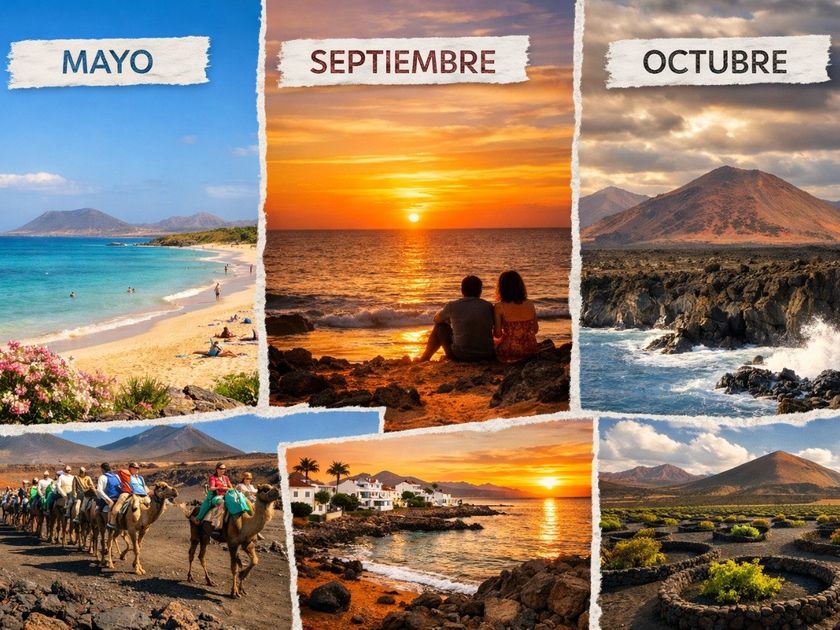
The short answer: May, September and October

If you just want the answer and not the explanation: May, September and October are the best months overall. The weather is warm (22–26°C), the sea is swimmable, the island isn't packed, and you're not paying peak prices. You can get a rental car without booking months ahead. Restaurants have tables. Beaches have space. It's that simple.

May and June are the sweet spot for value — after Easter, prices drop to low-season levels while the weather is already excellent. October is the sweet spot for the sea — the Atlantic has been warming all summer and hits 22°C, the warmest it gets all year. You'll swim without that first-minute shock.

But "best" depends on what you're here for. Surfers want winter swells. Families want calm summer seas. Party people want Carnival. Digital nomads want cheap rent in November. Keep reading.

B01
Lanzarote weather month by month

Weather month by month (the honest version)

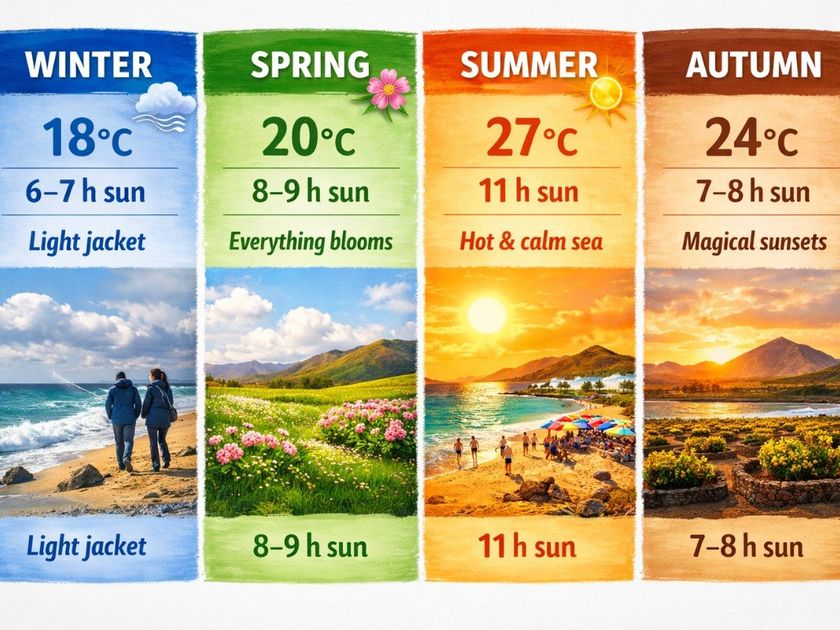
Lanzarote averages 21°C year-round. That doesn't mean every month feels the same. Winter days are 18–19°C with 6–7 hours of sun and a persistent wind that makes it feel cooler than the number says. Summer days are 26–27°C with 11 hours of sun and barely any wind at all. The transition months — March through May, September through November — are where the magic happens.

January and February are the coolest months (18°C average) and the windiest. You'll need a light jacket in the evening. March and April warm up to 19–21°C, the island turns briefly green after winter rain, and the sun hours jump from 7 to 9. July and August are the hottest (26–27°C), with zero rainfall, flat-calm seas and 11 hours of blazing sun — but also the most crowded and most expensive weeks of the year.

The real surprise for most visitors: it never gets genuinely hot here. 27°C is the average high in August. The Atlantic and the trade winds keep the island from ever feeling like southern Spain in summer. You won't need air conditioning at night. You'll sleep well. That's part of the charm.

B02
Lanzarote sea water temperatures

The sea is always cool — here's when it's actually warm

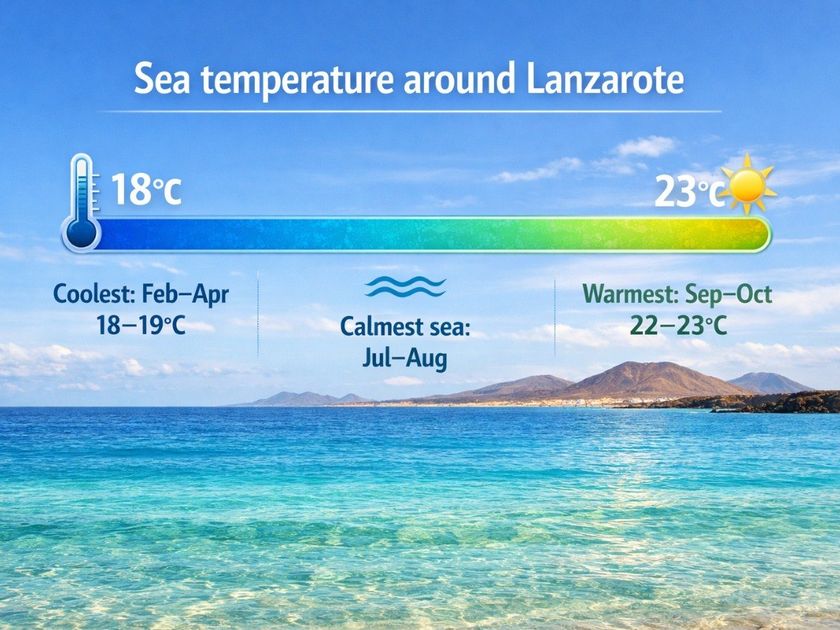
The Atlantic doesn't do warm. The sea around Lanzarote ranges from 18°C in February to 23°C in September. If you're used to the Mediterranean (25–28°C in summer), Lanzarote's water will always feel refreshing. If you're from northern Europe, it'll feel lovely. The locals swim year-round, but most visitors find it comfortable from May to November.

The warmest sea is in September and October (22–23°C). This is the time to come if swimming and beach days are your priority — the water has been absorbing heat all summer and the thermal mass keeps it warm even as the air starts cooling. By contrast, January to April the sea is at its coldest (18–19°C) — fine for a quick dip, less so for a long swim.

Something else nobody mentions: the calmest sea is in summer (July–August). In winter, the Atlantic swell is constant and red flags are common on exposed beaches. If you want glassy, swim-friendly water with no waves, come in summer. If you want warm water without the crowds, September is your month.

B03
Lanzarote trade winds and wind seasons

The wind: Lanzarote's invisible season

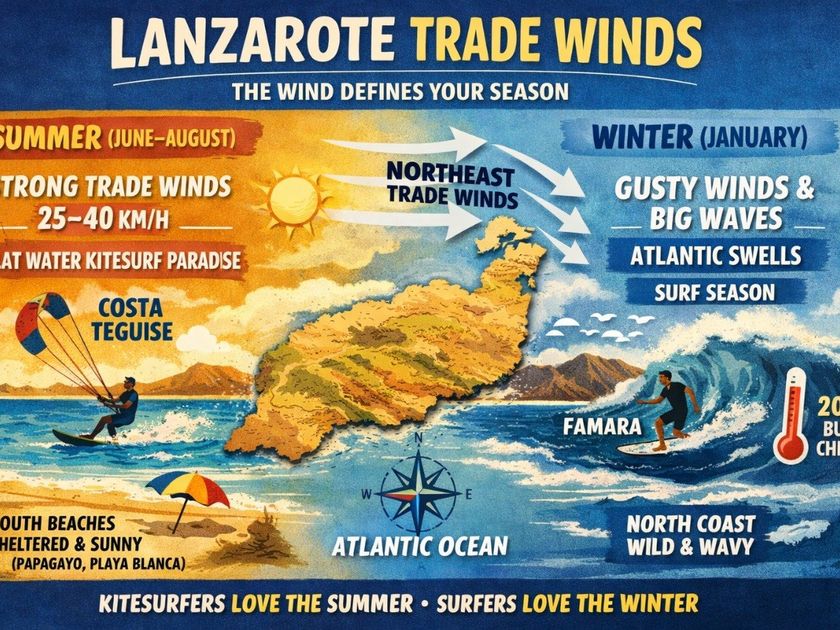
The trade winds are the defining feature of Lanzarote's climate, and they change everything depending on when you come. In summer (June to August), the trade winds are at their strongest — constant 25–40 km/h from the northeast, concentrated and intense. This is peak season for kitesurfers in Costa Teguise. The east coast gets the full force, but the wind also keeps the island feeling pleasant despite the heat. In winter, the trade winds weaken but the Atlantic brings storm swells and gusty conditions that can make exposed beaches feel cold even at 20°C. If you're coming in January and planning beach days, pick a south-facing beach (Papagayo) and pack a windbreaker.

What does calm down in summer is the ocean swell. While the trade winds blow steadily, the sea surface goes flat because there are no Atlantic winter storms. This is why Costa Teguise, which can feel bracing in February with waves crashing, becomes a flat-water kitesurf paradise in July. The south-facing beaches (Papagayo, Playa Blanca) are sheltered year-round.

And here's the thing: the wind is the reason Lanzarote exists as a surf destination. If you're here for surf or kitesurf, winter is peak season for waves. Famara works best with a north swell, and the winter Atlantic delivers. Kitesurfers want the summer trade winds (June to August) — strong, consistent, and reliable. The wind isn't a problem. It's the point.

B04
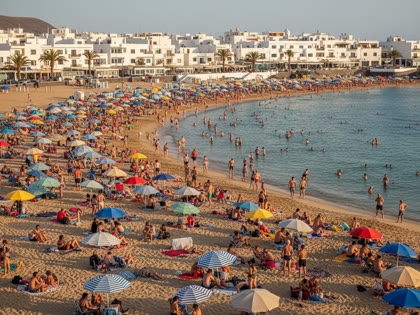
Crowded beach in Lanzarote during peak summer season

When the island is full (and when it isn't)

Lanzarote has two distinct peak periods: summer (mid-July to end of August) and Christmas–New Year. Easter week (Semana Santa) is also packed — it's the busiest week of the year for Spanish domestic tourism. During these periods, flights, hotels and car hire are at their most expensive, and restaurants in resort towns have queues. Book everything well in advance — especially CICAR rental cars, which sell out.

The low season is November and the first half of December. The weather is still good (20–21°C, 7 hours of sun), but the tourists are gone and prices drop significantly. It's the best time for a quiet trip if you don't need beach weather. January and February are also quiet, though cooler and windier.

The best-value window is May and June. After Easter, prices drop to off-peak levels and stay there until the summer rush begins in July. The weather is already excellent — 22–24°C, 10–11 hours of sun, almost no rain. October is equally good value — the sea is at its warmest, the crowds have left, and the prices follow. These four months are the smart traveller's secret.

B05
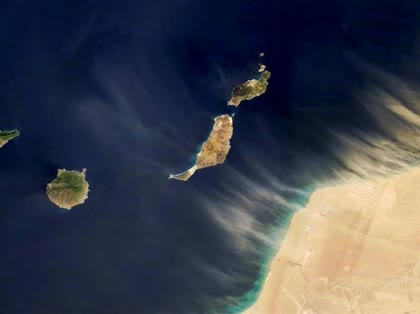
Calima Saharan dust haze over Lanzarote

Calima: when the Sahara moves in

Occasionally — most often between July and September — the wind shifts and blows from the southeast instead of the northeast. Instead of cool Atlantic air, Lanzarote gets hot, dry air from the Sahara, carrying fine dust particles. The sky turns orange-grey. Visibility drops. Temperatures can spike to 35°C or more. It's called calima, and the island averages about 24 calima days per year, typically lasting 1–2 days per episode.

A typical calima lasts 1–2 days. It's not dangerous for healthy people, but it can be uncomfortable — the dust irritates throats and eyes, and the heat feels oppressive because there's no wind to cool you. People with asthma or respiratory issues should stay indoors. The positive side: calima sunsets are spectacular, the dust scattering the light into deep oranges and reds you won't see otherwise.

You can't predict a calima more than a few days in advance, and it's not a reason to avoid visiting. But if you're coming in summer and the forecast shows a calima, plan indoor activities (Jameos del Agua, Cueva de los Verdes, Fundación Manrique) and save the beach for when it passes. Check calimacanarias.com for live forecasts.

B06
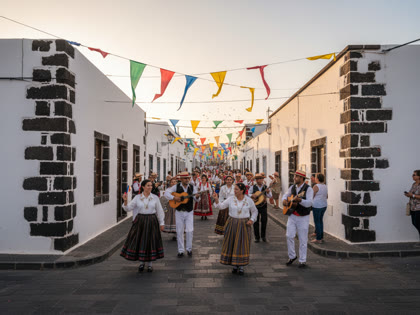
Traditional Canarian festival in Lanzarote

Events worth planning your trip around

Carnival in February or March is the biggest party of the year. Arrecife, Puerto del Carmen and Teguise all hold their own celebrations over several weeks — parades, drag shows, murgas (satirical singing groups), and the famous burial of the sardine. The dates change every year (it follows the lunar calendar, 40 days before Easter), but it's always February or early March. If you hate crowds, avoid those weeks. If you love a party, this is your moment.

IRONMAN Lanzarote happens every May — the 34th edition is on May 23, 2026. It's one of the hardest IRONMAN courses in the world, with a bike leg through the lava fields and 2,500 metres of climbing. The island fills with athletes and supporters. If you're not racing, it's a great spectacle — but car hire and accommodation book out early. In September, the Romería de Los Dolores is the island's most traditional fiesta — locals in Canarian dress, camels, folk music, and a pilgrimage to the church of the patron saint in Mancha Blanca.

Other events throughout the year: the Lanzarote Music Festival (Canarias Jazz & Más in July), wine harvest celebrations in La Geria (August), the San Ginés fiestas in Arrecife (August), and Christmas markets in Teguise (December). The island is never completely quiet — there's always something happening somewhere.

B07
Different types of travellers in Lanzarote

When to go if you're a specific kind of traveller

Families with young children: July and August. Calm seas, warm weather, long days, everything open. Yes it's busy and expensive, but the alternative is fighting Atlantic waves with a 5-year-old in February. Accept the crowds and book early. If you have older kids who can handle a cooler sea, May and October are smarter choices.

Surfers: October to March for north swells at Famara. The biggest waves come in winter. Kitesurfers: June to August for the summer trade winds in Costa Teguise. Strong, consistent, reliable. Divers: April to December for best visibility (up to 30m). Hikers and cyclists: October to April. Summer is too hot for serious exertion midday.

Digital nomads and remote workers: November to March. Cheap rent, empty coworking spaces, fast WiFi, pleasant working temperatures. The coliving spaces (Pitaya, Coworksurf) are quieter and cheaper. You'll get more done and pay less. Bring a light jacket for the evenings — the wind is real.

B08